








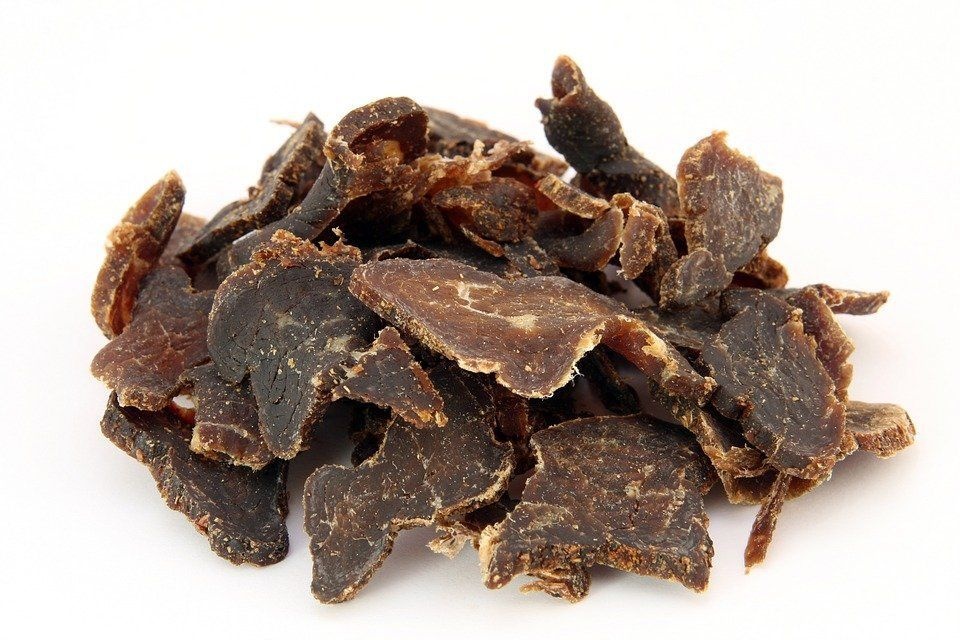
Ask most Australians a decade ago what biltong was and you’d have gotten blank looks. Today, a growing number of Aussies are not only familiar with beef biltong — they’re choosing it over jerky, over protein bars, and over virtually every other savoury snack in the category. The shift isn’t just a food trend; it’s a reflection of genuine quality. Biltong is, by any reasonable measure, a more sophisticated product than mass-market jerky. It’s thicker, more tender, less sweet, more protein-dense, and made using a traditional dry-cure process that’s been refined over centuries. This guide covers everything you need to know about biltong and beef biltong in Australia — the history, the production method, how it differs from jerky, what the best versions taste like, and how to find quality products in a market that’s grown faster than many consumers can keep track of.
Where Does Biltong Come From?
Biltong’s origins are in southern Africa, where the process of salt-curing and air-drying meat was developed as a preservation method long before refrigeration existed. The word itself is Afrikaans — “bil” meaning buttock (the cut of meat), and “tong” meaning strip or tongue (a reference to the shape). The Dutch settlers who became the Boers carried their biltong traditions across the subcontinent, and it became a staple of South African farm life, game hunts, and travel.
South African immigrants brought biltong to Australia in significant numbers from the 1970s onwards, particularly into Western Australia, Queensland, and New South Wales. For decades, biltong remained a cultural product — sold in specialist South African shops or made at home by first and second-generation immigrants who refused to give it up. The broader Australian public is discovering it now, on its own terms, without needing the cultural context to appreciate the quality.
Biltong vs Jerky: The Key Differences
This is the most common question from people new to the category, and it’s worth answering clearly.
Jerky is typically made by slicing beef thinly, marinating it in a liquid (often containing soy, sugar, and spices), and then drying it in a dehydrator or oven at moderate heat. The result is a thin, chewy strip with a pronounced marinade flavour and a fairly uniform texture throughout.
Biltong is made differently in almost every respect. The beef is not marinated in liquid. Instead, it’s dry-cured using a combination of coarse salt, brown vinegar (usually apple cider vinegar), and dry spices — traditionally coriander, black pepper, and occasionally dried chilli. The meat is then air-dried at ambient temperature for several days, without the application of heat. The result is a thicker, more tender product with a complex, less sweet flavour that lets the quality of the beef speak for itself.
The nutritional difference is also meaningful. Because biltong uses no heat, more of the natural proteins remain intact. Because the flavour profile relies on spice rather than sugar, carbohydrate content is typically very low. And because biltong is cut thicker than jerky, the eating experience is more satisfying per gram.
How Quality Beef Biltong Is Made in Australia
Understanding the production process helps you evaluate quality claims and understand why price points vary.
The Cut
The best beef biltong starts with whole silverside or topside cuts from MSA-graded Australian cattle. These secondary cuts have the lean-to-fat ratio that works well for biltong — enough intramuscular marbling to retain moisture and tenderness after a multi-day drying process, but lean enough that the fat doesn’t turn rancid during air-drying.
The Cure
The meat is rubbed or coated with the cure mixture — coarse salt, cracked coriander seed, black pepper, and vinegar. The acid in the vinegar begins to break down the surface proteins, which contributes to the characteristic tenderness of a well-made biltong. The cure also draws moisture from the muscle, creating the low-water-activity environment that makes the product shelf-stable without chemical preservatives.
The Drying
Unlike jerky, biltong is not dried with heat. It hangs in a controlled environment — either a dedicated drying cabinet or a ventilated room — for anywhere from two to five days depending on thickness and desired moisture level. The airflow and temperature control during this phase determines the final texture. Wet biltong (shorter drying time) is moister and more tender; dry biltong (longer drying) is firmer and more intensely flavoured. Most consumers have a preference, and quality producers offer both.
Fatty Biltong: Why Fat Is Not a Flaw
One of the more interesting developments in the Australian biltong market is the growing enthusiasm for fatty biltong — cuts that include a thick strip of external fat alongside the lean muscle. In conventional nutrition thinking, fat is something to be minimised. In the biltong world, the fat cap on a well-cured piece is considered a delicacy.
The fat in a properly made fatty biltong develops a complex, slightly waxy texture as it dries — different from anything in the fresh-meat world. The flavour is rich and slightly nutty, complementing the savoury cured muscle alongside it. For experienced biltong eaters, the fatty biltong is often the preferred product, reserved for eating on its own rather than as a casual snack.
Lamb Biltong: A Less Common but Rewarding Alternative
While beef biltong dominates the Australian market, lamb biltong has a devoted following among those who appreciate its distinct flavour profile. Lamb has a richer, more mineral character than beef, and when it’s air-dried using traditional biltong methods, that flavour concentrates in ways that are genuinely different from anything in the beef category.
The production process for lamb biltong is similar to beef biltong, but the marinating time and drying duration are typically shorter due to the finer muscle fibres in most lamb cuts. The result is a more tender product with a deeper flavour than you’d expect from a lean cut.
What Good Biltong Tastes Like
If you’ve never eaten quality biltong, the first experience is usually a revelation. The texture is nothing like commercial jerky — it’s more like a piece of perfectly seasoned, intensely flavoured dried meat that seems to release flavour as you chew. The coriander and pepper come through clearly. There’s a slight vinegar acidity in the background that balances the salt. And the quality of the beef itself is noticeable — good biltong from MSA-graded stock has a richness and depth that lower-grade product can’t replicate.
For Australians ready to explore proper beef biltong made from Australian-sourced cattle, the experience is typically one that changes their relationship with the dried meat category entirely. Most people who try quality biltong once don’t go back to supermarket jerky.
Buying Biltong in Australia: What to Look For
The Australian biltong market has grown quickly enough that quality varies significantly. Here’s a practical guide to identifying the better products:
- Whole-muscle vs formed: Always choose whole-muscle biltong sliced from a recognisable cut of beef, not a formed or compressed product
- Ingredients list: Should read: beef, vinegar, salt, coriander, pepper — and not much else
- Moisture level indicated: Quality producers will tell you whether the product is wet-style or dry-style biltong, and this should match your texture preference
- Halal certification: Indicates a supply chain with proper oversight and traceability
- Packed fresh: Biltong is at its best when packed recently — producers who pack to order are preferable to those who use a centralised warehouse model
Conclusion
Biltong has earned its growing reputation in Australia on pure merit. The dry-cure process, the whole-muscle cuts, the low-sugar flavour profile, and the high protein density make it objectively more interesting than most of the competition. Whether you’re discovering it for the first time or looking to deepen your appreciation of what separates excellent biltong from average product, the Australian market now offers a genuine range of quality options. For anyone who takes their snacking seriously — or simply wants something savoury, satisfying, and genuinely nourishing — biltong and beef biltong deserve a permanent spot in the rotation.