







Water damage is a major problem for individuals and businesses. Whether caused by flooding, plumbing failures, or leaks, water intrusion can quickly lead to serious problems if not handled properly. One of the most dangerous and persistent consequences of water damage is mold growth. Mold ruins property and threatens health. Preventing mold after water damage is therefore critical, and this is where professional water restoration services play a vital role.
Why Is Mold A Serious Concern Following Water Damage?
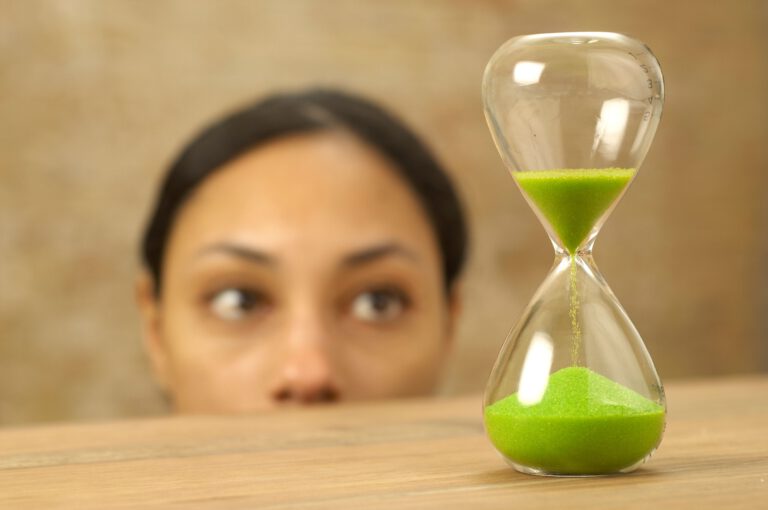
Mold spores are naturally present but need moisture to multiply. When water damage occurs, whether it’s from a burst pipe or flooding, the excess moisture creates the perfect environment for mold to thrive. Mold can grow 24–48 hours after water exposure. Therefore, prompt action is needed.
Uncontrolled mold growth can harm walls, floors, and ceilings. More importantly, it can release allergens and toxins into the air, triggering respiratory problems, allergies, and other health issues, particularly for vulnerable individuals such as children, elderly people, and those with compromised immune systems.
Immediate Response Is Key
The first and most crucial step in preventing mold is addressing the water damage as quickly as possible. Time is of the essence. The longer water sits in your home or business, the higher the risk of mold growth. Water restoration professionals take urgency seriously and respond quickly to minimize damage.
Water restoration professionals rapidly and totally extract standing water using innovative equipment. This is followed by drying and dehumidifying the affected areas to eliminate residual moisture. Removing both visible and hidden water helps cut off the source mold needs to grow.
Comprehensive Assessment And Moisture Detection
One of the advantages of hiring water restoration professionals is their ability to conduct a detailed assessment of your property. They don’t just focus on the obvious water damage but use specialized moisture detection tools such as thermal imaging cameras and moisture meters. These tools help identify hidden pockets of moisture inside walls, under floors, or in ceilings where mold can silently develop.
Without such thorough inspections, moisture can be overlooked, allowing mold to take hold later on, even if the visible water seems gone. Water restoration services ensure that drying efforts target every affected area, reducing the chance of mold infestation.
Proper Drying And Dehumidification Techniques
Simply removing water does not guarantee that the property is dry. Many materials, especially porous ones like drywall, wood, and carpets, can retain moisture internally. Water restoration professionals use industrial-grade air movers and dehumidifiers designed to dry these materials thoroughly.
Dehumidification is essential because it lowers the humidity level in the environment, creating conditions that are inhospitable to mold spores. Without proper drying, the remaining moisture acts as fuel for mold growth even weeks after the initial water damage.
Cleaning And Sanitization To Inhibit Mold Growth
After drying, water restoration services also include cleaning and sanitizing the affected areas. This step helps eliminate mold spores and bacteria that may have begun developing. Using antimicrobial treatments and specialized cleaning agents, restoration professionals reduce the likelihood of mold colonies forming.
Cleaning is especially important for materials that cannot be fully dried or replaced immediately. It prevents spores from taking root and spreading further, ensuring a safer and healthier indoor environment.
Repair And Restoration
Mold prevention is not just about drying and cleaning. Water restoration companies also focus on repairing any damage caused by water to restore the property to its pre-loss condition. This may involve replacing drywall, flooring, or insulation that cannot be salvaged.
By fixing structural issues and removing compromised materials, professionals eliminate potential mold habitats. They also help improve ventilation and reduce future moisture buildup, contributing to long-term prevention.
Expertise And Experience Make A Difference
Water damage situations can vary widely in scope and complexity. Experienced water restoration professionals bring knowledge of building structures, moisture behavior, and mold science to every job. Their expertise allows them to implement effective drying, cleaning, and restoration plans tailored to the specific damage.
Attempting DIY water cleanup without the right tools or know-how often leads to incomplete drying or overlooked moisture, increasing the risk of mold. Professional water restoration services ensure that every step is done properly and thoroughly.
Health And Safety Considerations
Mold remediation is not just about property restoration but also about protecting the health of occupants. Water restoration teams follow industry guidelines and safety protocols to handle potentially hazardous situations safely.
They wear protective gear and use containment methods when mold is suspected, preventing spores from spreading during the cleanup. Their approach minimizes exposure risks and ensures compliance with environmental and health standards.
Prevention Beyond Restoration
Beyond the immediate restoration, water restoration services often provide advice on preventing future water damage and mold issues. This can include recommendations for improving drainage, sealing leaks, installing vapor barriers, or using moisture-resistant building materials.
Such preventive measures reduce the likelihood of water intrusion and create a less hospitable environment for mold growth, helping property owners avoid costly problems down the road.
Conclusion
Preventing mold after water damage requires quick, thorough, and professional intervention. Water restoration services are essential in this process because they combine rapid water removal, comprehensive drying, targeted cleaning, and expert repair to stop mold before it starts. Their knowledge protects your property and the health of residents and employees.