







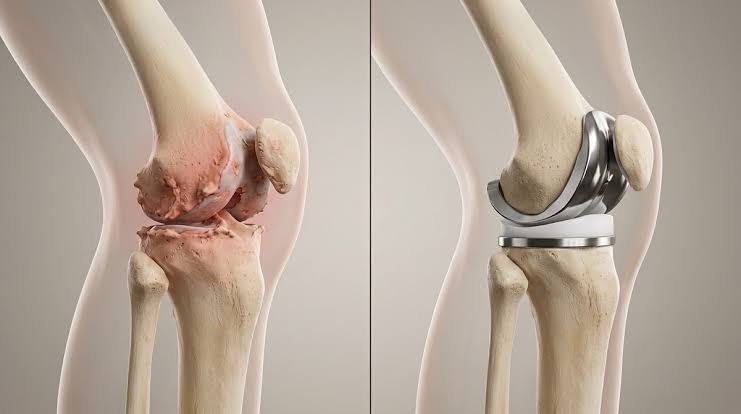
A healthy knee does more than support walking. It absorbs impact, maintains balance, distributes body weight, and allows coordinated movement during everyday activities. When severe joint deterioration affects these functions, patients may begin changing their walking patterns, avoiding stairs, or limiting physical activity. Modern orthopedic treatments increasingly focus on restoring the knee’s mechanical performance rather than addressing pain alone. Advances in surgical planning, joint balancing, implant fixation, and recovery protocols are helping surgeons develop more individualized approaches to knee replacement.
For patients with advanced joint damage, knee replacement surgery can provide an opportunity to regain functional independence when nonsurgical treatments are no longer effective. Understanding newer techniques reveals how surgical decisions influence stability, movement, and long term joint performance.
Restoring Natural Knee Alignment
Proper knee alignment is essential for distributing pressure across the joint. When arthritis damages cartilage unevenly, the knee may gradually develop an inward or outward deformity. This altered alignment can affect walking efficiency and place additional strain on surrounding muscles.
Modern replacement techniques allow surgeons to evaluate the relationship between the hip, knee, and ankle before determining the appropriate implant position.
Rather than applying identical alignment targets to every patient, some surgeons use individualized strategies that consider natural anatomy and ligament behavior.
The objective is to create a stable joint that supports comfortable movement without placing excessive stress on the replacement components.
Understanding Kinematic Alignment Techniques
Kinematic alignment is an evolving approach that aims to reproduce aspects of a patient’s original knee anatomy and movement patterns.
Traditional mechanical alignment generally positions replacement components according to standardized reference axes. Kinematic alignment instead considers the individual’s joint surfaces and natural alignment characteristics.
This approach may help preserve familiar movement patterns and improve the sensation of joint function for certain patients.
However, kinematic alignment is not appropriate for every knee condition. Significant deformities, ligament problems, and unusual anatomical characteristics may require alternative strategies.
Surgeons must carefully assess the potential advantages and limitations before selecting an alignment method.
Improving Ligament Balance and Joint Stability
The knee depends on ligaments to maintain stability during bending, straightening, and weight bearing. Replacing damaged joint surfaces without achieving appropriate ligament balance can leave patients experiencing stiffness, instability, or discomfort.
Modern surgical techniques emphasize evaluating ligament tension throughout the knee’s range of motion.
Surgeons may adjust bone preparation, component positioning, or soft tissue tension to improve balance between the inner and outer sides of the joint.
A properly balanced replacement supports smoother movement and may reduce the sensation that the knee is unstable during daily activities.
This aspect of surgery is particularly important for patients who want to return to walking, recreational exercise, and other regular physical activities.
Cemented and Cementless Implant Fixation
Another important development involves the methods used to secure artificial components to the bone.
Cemented knee replacements use specialized bone cement to establish fixation during surgery. This technique has a long clinical history and remains widely used.
Cementless implants feature surfaces designed to encourage bone growth into the implant, creating biological fixation over time.
Cementless fixation may be considered for selected patients with suitable bone quality, although it is not automatically superior to cemented fixation.
The choice depends on factors such as age, bone strength, implant design, and the surgeon’s assessment of long term stability.
Enhanced Recovery Programs After Surgery
Modern orthopedic care increasingly incorporates enhanced recovery protocols that begin before the operation.
These programs may include patient education, nutritional assessment, medication planning, and exercises designed to improve physical readiness.
During and after surgery, coordinated pain management strategies can help patients participate in early movement while reducing reliance on certain medications when appropriate.
Early supervised walking, hydration, and individualized discharge planning are additional components of recovery programs.
The goal is to support safer rehabilitation, reduce avoidable complications, and help patients return to normal activities at a suitable pace.
The Importance of Muscle Function and Walking Mechanics
Replacing damaged joint surfaces does not automatically restore normal walking mechanics. Patients who have experienced years of knee pain may develop muscle weakness, reduced coordination, and compensatory movement habits.
The quadriceps, hamstrings, hip muscles, and calf muscles all contribute to knee stability and efficient movement.
Rehabilitation therefore extends beyond improving knee flexibility. Strength training, gait correction, and balance exercises help patients relearn coordinated movement patterns.
Physical therapists may also evaluate walking speed, step length, and weight distribution to identify remaining functional limitations.
Consistent rehabilitation can improve confidence and help patients use their replacement joint more effectively.
Conclusion
Modern knee replacement treatment involves much more than installing artificial joint components. Individualized alignment, ligament balancing, advanced fixation methods, enhanced recovery programs, and movement focused rehabilitation all contribute to restoring joint function.
Although surgical technology continues to evolve, successful outcomes depend on selecting appropriate techniques for each patient’s anatomy, health, and mobility goals. With careful planning and structured rehabilitation, knee replacement can help individuals regain stability, improve daily movement, and maintain a more active lifestyle.